
The basics
Long, flowing strokes and adjustable pressure
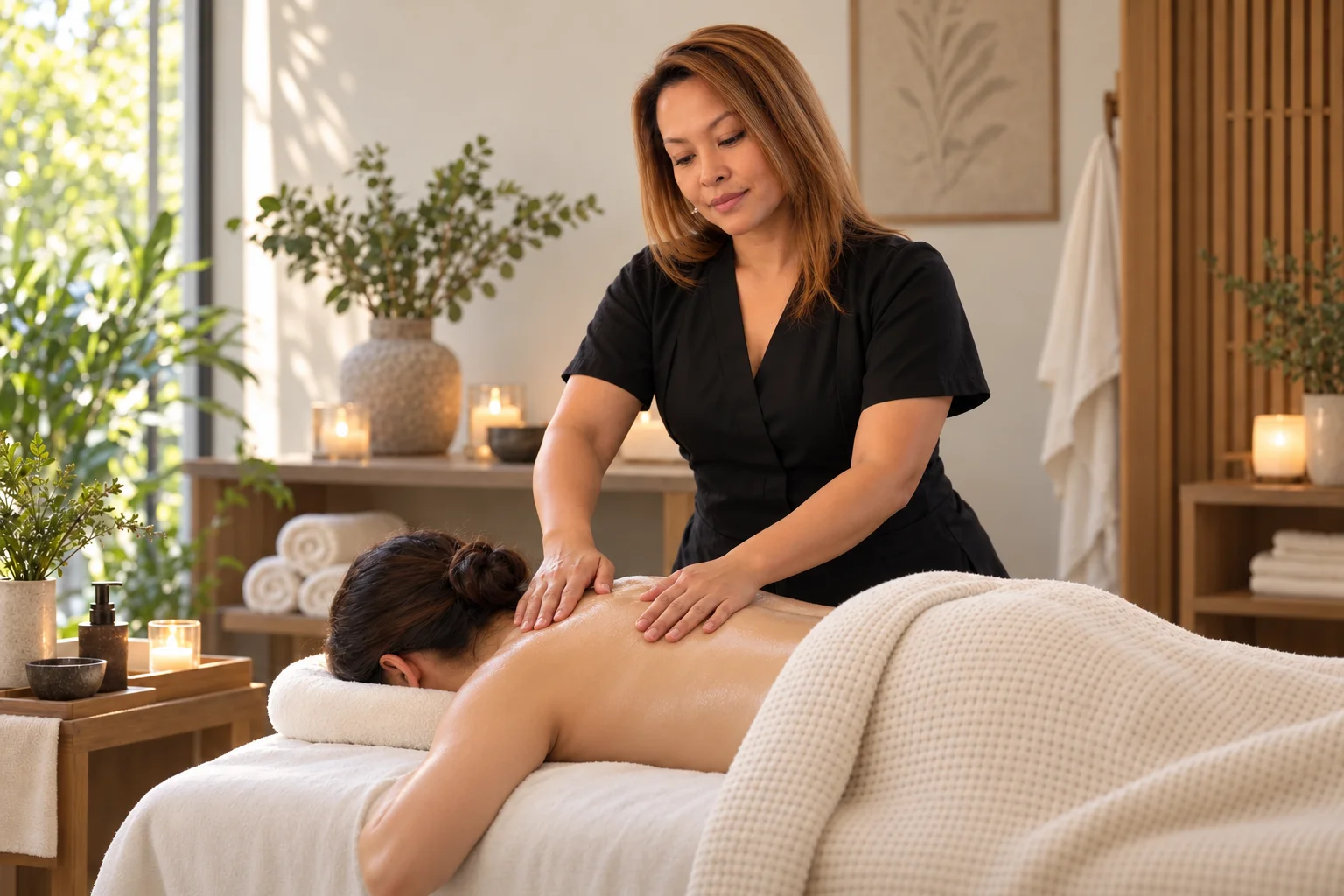
Swedish massage, also called classical massage, is a familiar style in Western massage practice. Sessions commonly use flowing strokes, kneading, and other hands-on techniques over soft tissue. The pace and pressure can be adapted to the person receiving the massage. You do not have to arrive with a specific problem or an exact description of what you need; you can simply say whether you are hoping for a gentle, quiet experience or have a few areas you would like the therapist to spend time on.
Pressure can stay gentle
A relaxing session does not need strong pressure. The therapist can begin lightly and adjust only if you ask. It is also fine to keep pressure consistent or to request less focus on a sensitive area.
Your preferences matter
You can share whether you enjoy a quieter session, prefer brief explanations, or want the therapist to check in more often. These small details can make a first appointment feel more predictable.
Possible benefits
A restorative pause, with realistic expectations
Many people book Swedish massage to make room for rest and comfortable body awareness. Some people feel relaxed afterward, though each person responds differently. Massage studies have looked at different conditions and approaches; NCCIH notes that research is often preliminary or conflicting, and possible relief for some pain concerns may be short term. A massage appointment is not a promise to resolve pain, and should not delay medical care when symptoms need evaluation. [1]
It can be a first massage
The predictable flowing quality may appeal if you prefer a less active session. You can ask the therapist to explain the plan before starting and agree on pressure in plain language.
Comfort is more useful than intensity
Tell the therapist if a stroke feels uncomfortable or if you would prefer a different area. Communication is part of the session, not an interruption.
Your first visit
A simple check-in can shape the whole session
Imagine someone requesting a first massage after a busy week. At the start, they say they would like a quiet experience and prefer light-to-medium pressure. They also mention that their shoulders are sensitive. The therapist confirms the plan, checks in once the session is underway, and adjusts the pressure when asked. This is an illustrative example, not a client testimonial. You are welcome to ask for changes in the same straightforward way.
Before the hands-on work
Expect to discuss preferences, health information that affects comfort, and any areas to avoid. You can ask practical questions about positioning or draping before the session begins.
During the massage
You can speak up, ask for more or less pressure, or request a pause. There is no single correct pressure level. The right choice is the one that feels comfortable to you.
Request an appointment
Make space for a session that suits your schedule
Sabai Dee Massage is appointment-only in Arlington, Grand Prairie, and Mansfield. Location details are shared once an appointment is confirmed, and mobile visits are available by request. Swedish Massage is $110 for 60 minutes, $165 for 90 minutes, and $220 for 120 minutes. Sansanee James holds Texas massage therapist license MT131837. Share your preferred duration and a few possible times when requesting availability. Massage is offered for general wellness, not as medical diagnosis or treatment.
Choose a comfortable length
Consider how much time you would like to spend resting. If this is your first massage, you can ask about a shorter introduction or a longer, slower-paced session.
When to check with a clinician
If you have a new or unexplained symptom, recent procedure, or health concern that could affect massage, discuss it with a healthcare professional. Share any relevant guidance with the therapist before your visit.